SUSCRÍBETE A NUESTRO BOLETÍN INFORMATIVO POR CORREO ELECTRÓNICO
Por favor, sigan leyendo, manténganse informados, suscríbanse y les invitamos a compartir sus opiniones.

 +8618144082725

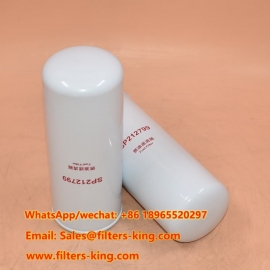
Número de pieza: SP212799 Tipo de pieza: Elemento de filtro de combustible Marca: Liugong Replacement Cantidad mínima de pedido: 60 unidades Compatibilidad: Equipos Liugong.
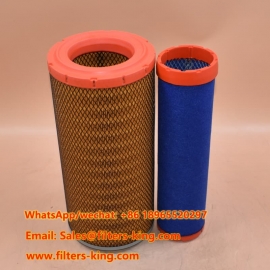
Número de pieza: 13074774 Tipo de pieza: Kit de filtro de aire Marca: Weichai Replacement Cantidad mínima de pedido: 20 unidades
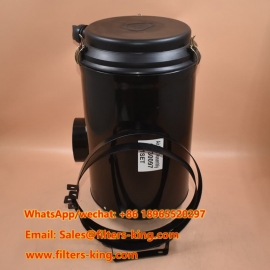
Número de pieza: G130097 (Banda de montaje P013722, Conjunto de cubierta P538259, Clip P776033) Tipo de pieza: Conjunto de filtro de aire Marca: Donaldson Replacement Cantidad mínima de pedido: 20 piezas

Número de pieza: TM720D-400 Part Type:Reverse Osmosis Element Brand:Toray Replacement MOQ:60pcs
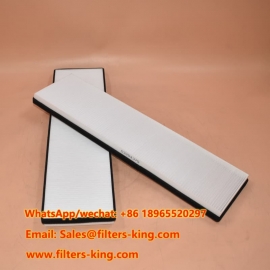
Número de pieza: 03254375 Tipo de pieza: Filtro de aire de cabina Marca: Reemplazo Manitowoc Cantidad mínima de pedido: 20 piezas

Número de pieza: 6B924 Tipo de pieza: Filtro de aire plisado Clasificación MERV: 8 Marca: Reemplazo del controlador de aire Cantidad mínima de pedido: 20 piezas
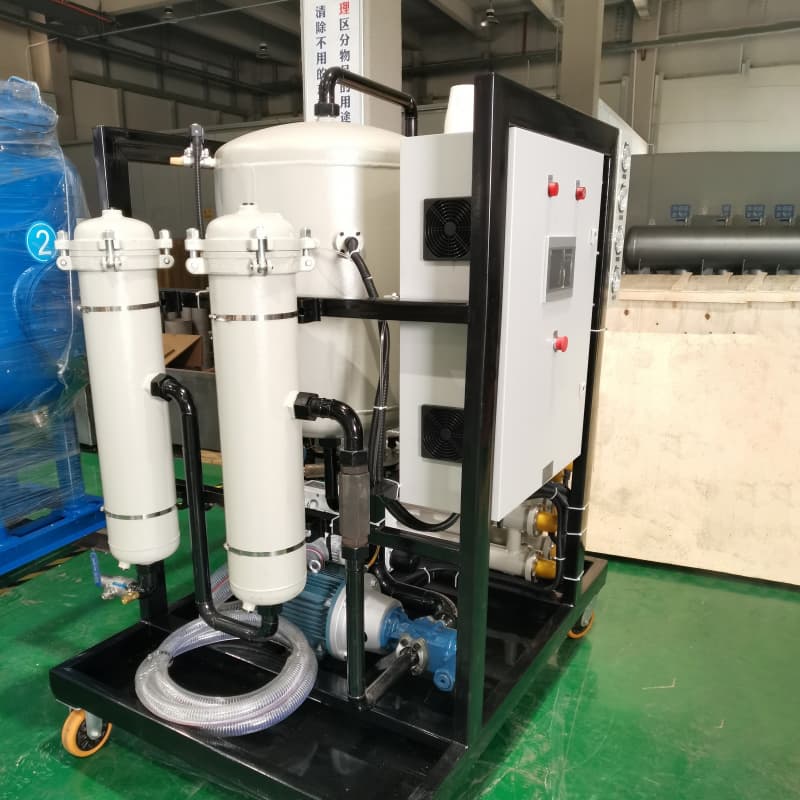
Purificador de aceite al vacío con accesorios completos ElPurificador de aceite de vacíoEs un sistema de purificación de aceite industrial de alto rendimiento diseñado para eliminar partículas sólidas, humedad, agua disuelta y aire del aceite lubricante, aceite hidráulico, aceite de transformador y otros fluidos industriales. Suministrado con accesorios completos, esta unidad de purificación proporciona una solución eficiente para el mantenimiento del aceite, la regeneración del aceite y el control de la contaminación en aplicaciones industriales exigentes. Con una capacidad de procesamiento de50 litros por minutoEs adecuado para talleres, centros de mantenimiento de equipos, centrales eléctricas, sistemas hidráulicos y otras instalaciones que requieren una purificación de aceite fiable. Especificaciones técnicas Tipo de producto Purificador de aceite de vacío Accesorios Accesorios completos incluidos Caudal 50 L/min Presión de trabajo 0,6 MPa Nivel de vacío ≤ -0,095 MPa Contenido de agua residual 5–10 ppm Contenido de aire residual ≤ 0,2% Filtración de primera etapa 100 μm Filtración de segunda etapa 10–20 μm Filtración de tercera etapa 1–3 μm Voltaje 380 V CA Frecuencia 50 Hz Fase Tres fases Potencia del motor 36 kW Potencia de calentamiento 24 kW Sistema de control Control PLC Deshidratación y desgasificación al vacío eficientes El purificador funciona con un nivel de vacío de≤ -0,095 MPa, creando un entorno eficaz para eliminar la humedad y el aire del aceite contaminado. Después del tratamiento, el contenido de agua residual se puede reducir a aproximadamente5–10 ppmmientras que el contenido de aire residual se controla para≤ 0,2%Esto ayuda a mejorar la limpieza del aceite y a reducir los efectos negativos de la humedad y el aire sobre el rendimiento de la lubricación, los componentes hidráulicos, las bombas, las válvulas, los cojinetes y otros equipos críticos. Filtración de precisión de tres etapas ElPurificador de aceite de vacíoUtiliza un proceso de filtración de tres etapas para la eliminación progresiva de contaminantes. La primera etapa utiliza unFiltro de 100 micraspara capturar partículas sólidas más grandes y proteger el sistema de filtración posterior. La segunda etapa proporcionaFiltración de 10 a 20 micraspara un control de contaminación más preciso. La tercera etapa utiliza un sistema de alta precisión.Filtro de 1 a 3 micrasPara eliminar partículas muy pequeñas y lograr un mayor nivel de limpieza del aceite. Este diseño multietapa garantiza un rendimiento de purificación estable y ayuda a proteger los componentes críticos de la contaminación por partículas. Potente capacidad de calentamiento y alta capacidad de procesamiento. Equipado con unSistema de calefacción de 24 kWEl purificador proporciona un calentamiento eficaz durante el proceso de tratamiento del aceite. El calentamiento controlado ayuda a mejorar la separación de la humedad y favorece una purificación al vacío eficiente. Con unCaudal de 50 L/minyPresión de trabajo ...
 2019-10-18
El aceite del motor juega un papel muy importante en el motor. Ayuda a enfriar el motor transfiriendo calor. Sellando el espacio entre el anillo del pistón y la pared del cilindro; absorción de contaminantes; y suspender partículas de hollín como residuos de combustión. Los contaminantes pueden ser orgánicos como hongos y bacterias en el aire. Las partículas inorgánicas pueden ser muchas cosas, incluido el polvo que ingresa al motor durante el funcionamiento.
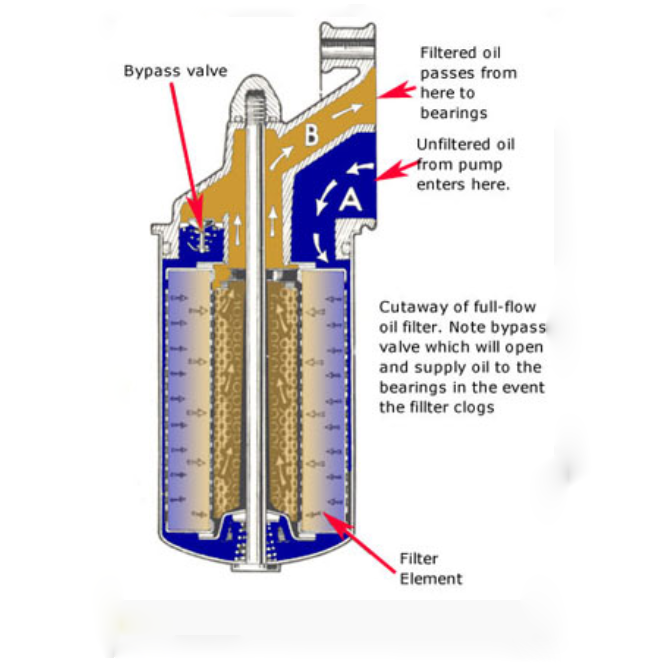
El exterior del filtro es una lata de metal con una junta que se puede fijar a la superficie de acoplamiento del motor. Se une una junta a la base de la lata y se forma un orificio alrededor del área dentro de la junta. El orificio central está roscado para coincidir con el conjunto del filtro de aceite en el bloque del motor. El interior del frasco es un material de filtro, el más común son las fibras sintéticas. La bomba de aceite del motor mueve el aceite directamente al filtro y luego ingresa al filtro de aceite desde el orificio en el perímetro de la placa base.
El aceite sucio pasa a través del medio filtrante y luego regresa a través del orificio central donde vuelve a ingresar al motor. Por lo general, los filtros tienen dos tipos de medios: primario y secundario. El medio primario puede bloquear partículas tan pequeñas como 25-30 micras (el tamaño del cabello humano es 65-70 micras) y el medio secundario puede bloquear partículas tan pequeñas como 5-10 micras.

Por favor, sigan leyendo, manténganse informados, suscríbanse y les invitamos a compartir sus opiniones.